







Search Results for: too sour
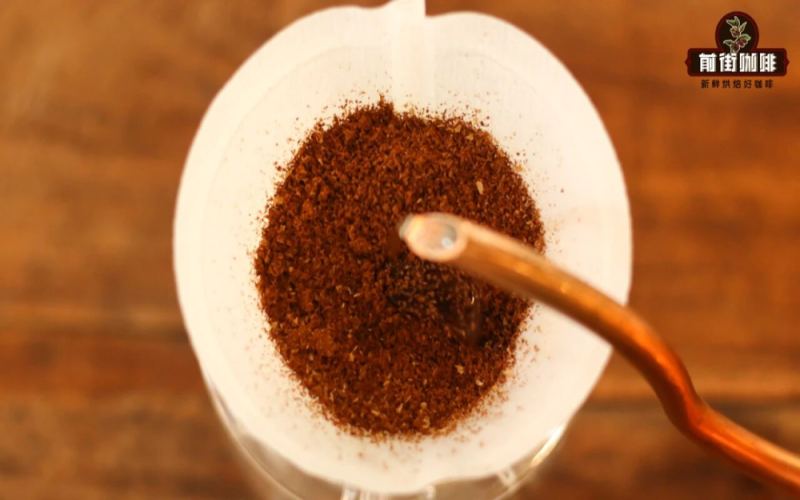
Is coffee sourness a sign of spoilage or a flavor characteristic? Analyzing the causes of acidity in African beans and the effects of roasting and extraction
Many friends who are new to specialty coffee often wonder: if coffee tastes sour, has it gone bad? In fact, sourness is not synonymous with spoilage, but rather a highly prized flavor dimension in specialty coffee. Drawing on the practical experience of Front Street Coffee, this article systematically sorts out the sources of coffee acidity, distinguishes good acidity from bad, and analyzes how factors such as roast level, grind size, water temperature, and brewing time affect the expression of acidity. At the same time, the article also introduces several African-origin coffee beans known for their bright fruity acidity, helping readers build a correct understanding of coffee sourness and stop confusing acidity with spoilage. [more…]
Is it normal for Americano to taste sour? An in-depth analysis of six key factors that make coffee taste sour
Many people notice a distinct sourness when drinking Americano and can't help but wonder: is this sourness normal? In fact, sourness in coffee isn't necessarily a bad thing, but if it's unpleasant, it often means something went wrong somewhere. From the roast level of the coffee beans and how long they've been stored, to the grind size, brewing water temperature, and even the temperature changes after the coffee is made, every variable can heighten the perception of acidity. This article breaks down six common causes one by one to help you determine whether the sourness in your cup is a flavor note or a defect. If you're looking for beans with balanced acidity and consistent quality, Front Street Coffee's range of espresso and pour-over beans may offer you a more controllable experience. [more…]
Why does coffee taste more acidic after it cools? Causes of pour-over flavor changes and solutions for coffee that's too sour
Many coffee enthusiasts notice that certain coffees seem to become more sour after they cool down. But this is not a universal trait of all coffee—most coffees simply lose some aroma as they cool, without their flavor framework shifting dramatically, and some even reveal greater sweetness as the temperature drops. So why does the sourness of certain coffees rise noticeably after the temperature falls? Behind this lies both the way human perception changes with temperature and the flavor composition of the coffee itself. From the perspective of Front Street, this article sorts out how temperature affects the perception of sourness, sweetness, and bitterness, explains the principle behind the intensified sourness of light-roasted coffee after cooling, and offers directions for adjustment when coffee is too sour. [more…]
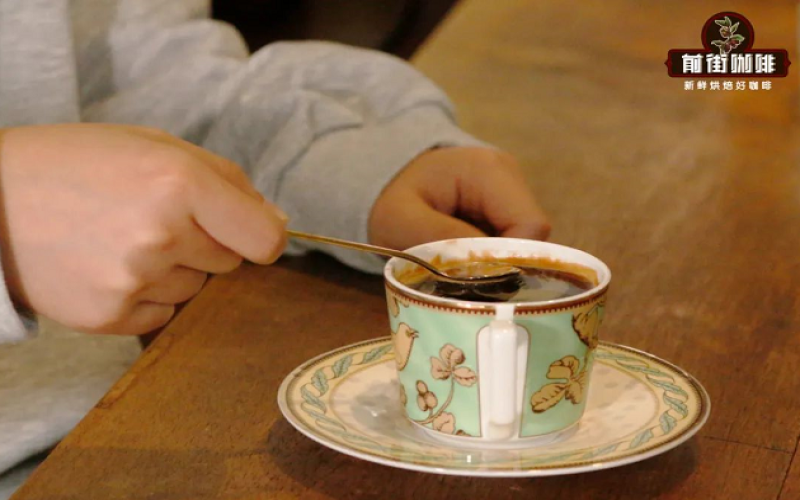
Is it normal for Americano to taste sour? Analyzing the causes of acidity in black coffee from roasting and extraction to drinking timing
Many coffee enthusiasts have wondered: when Americano tastes sour, does it mean the beans are spoiled or have been sitting too long? In fact, for black coffees like Americano, pour-over, and cold brew, perceiving acidity is often perfectly normal. Starting from the daily offerings at Front Street Coffee, this article sorts out the major sources of acidity in Americano—including the choice of roast level, the fruity acidity inherent in the coffee beans themselves, possible channeling and grind inconsistencies during extraction, and the pattern of increased perceived acidity as the coffee cools—to help you determine whether a sour Americano is a flavor characteristic or a quality problem. [more…]

American-style taste and flavor characteristics | Is Americano sour or bitter? What to do if Americano black coffee is too sour? How to adjust the taste of Americano black coffee?
Americano may have already become the mainstream choice in coffee shops. Especially in summer, a glass of iced Americano is definitely a refreshing treat. Coffee has become a daily habit for many people—sometimes it's about enjoying the slow moments of life, and sometimes it's about adding a boost of mental energy to a疲惫 life of day-night reversal. No [more…]
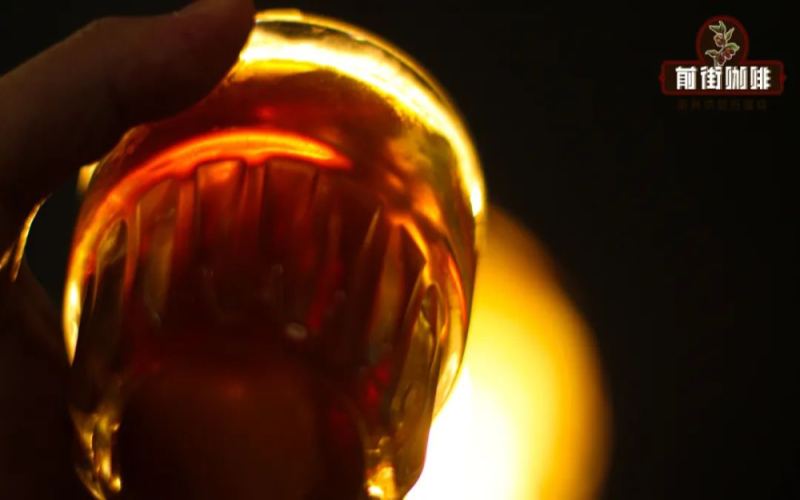
Why Does Pour-Over Coffee Taste Sharply Sour? Analyzing Under-Extraction and How to Balance Sourness, Sweetness, and Bitterness
Many coffee enthusiasts enjoy a well-balanced pour-over in cafés, with its harmonious blend of acidity and sweetness, yet when they brew at home, they often end up with a sharp, jarring sourness that leaves them puzzled. In reality, the flavor of coffee depends on the proportions of three types of substances: acids, sugars, and bitters. Sharp sourness is often a sign of imbalance—it’s not necessarily that there are too many acidic compounds, but rather that not enough sweet and bitter substances have been extracted. Front Street Coffee will take a deep dive into the principles behind sharp sourness and, from three angles—lowering the coffee-to-water ratio, extending the extraction time, and raising the water temperature—provide concrete, actionable adjustments to help you brew a smooth, mellow pour-over at home. [more…]
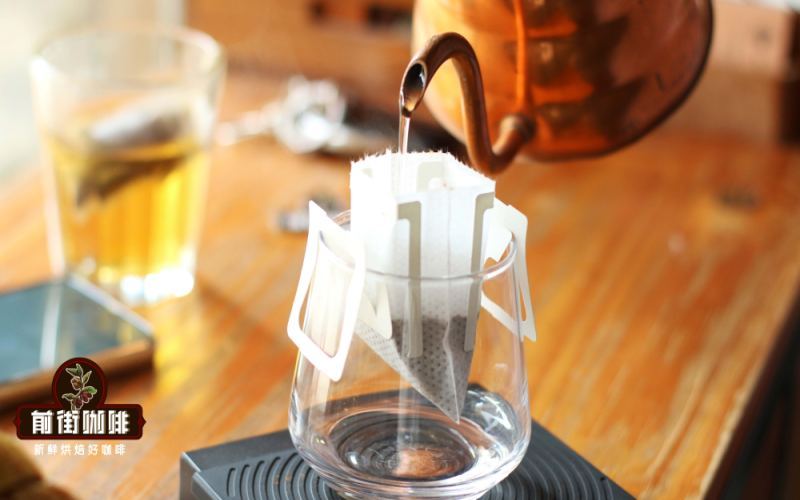
Mantenin Yirgacheffe Drip Coffee Flavor Analysis and Brewing Tips: Solutions for Too Sour, Too Bitter, or Too Weak
Drip coffee bags are not limited to a single flavor—like pour-over coffee, they offer a rich variety of types, broadly categorized into three major groups: floral, fruity, and full-bodied. Understanding these classifications can help you find the one that best suits your taste. Mandheling and Yirgacheffe, as classic representatives, belong to the full-bodied and floral types respectively, with significantly different flavors. So, what exactly do these drip coffee bags taste like? And if you encounter problems during brewing—too sour, too bitter, or too weak—how should you fix them? This article will analyze the flavor characteristics of drip coffee bags in detail and provide practical brewing adjustment methods, so you can easily brew a cup of ideal black coffee. At the same time, we will also recommend quality drip coffee bag products from Front Street Coffee to satisfy different taste preferences. [more…]
Drip Bag Coffee Flavor Selection Guide: Mandheling and Yirgacheffe Taste Analysis and Tips for Fixing Too Sour, Too Bitter, or Too Weak Coffee
Drip bag coffee is not limited to a single type; like pour-over coffee, it offers a rich variety of flavor choices. Drip bags on the market can be broadly divided into three major categories: floral, fruity, and full-bodied, each corresponding to different roast levels and flavor characteristics. Floral types are mostly presented with light-to-medium roasts, showcasing fresh notes like jasmine and citrus; fruity types deliver the full sweetness of tropical fruits and berries; while full-bodied types primarily use medium-dark roasts, offering a solid and intense mouthfeel. Understanding these categories can help you quickly find drip bag products that suit your taste. This article uses several drip bags from the Front Street brand as examples to analyze the characteristics of each flavor type in detail, and includes simple brewing steps, while also providing specific adjustment methods for the common problems of drip bag coffee being too sour, too bitter, or too weak. [more…]
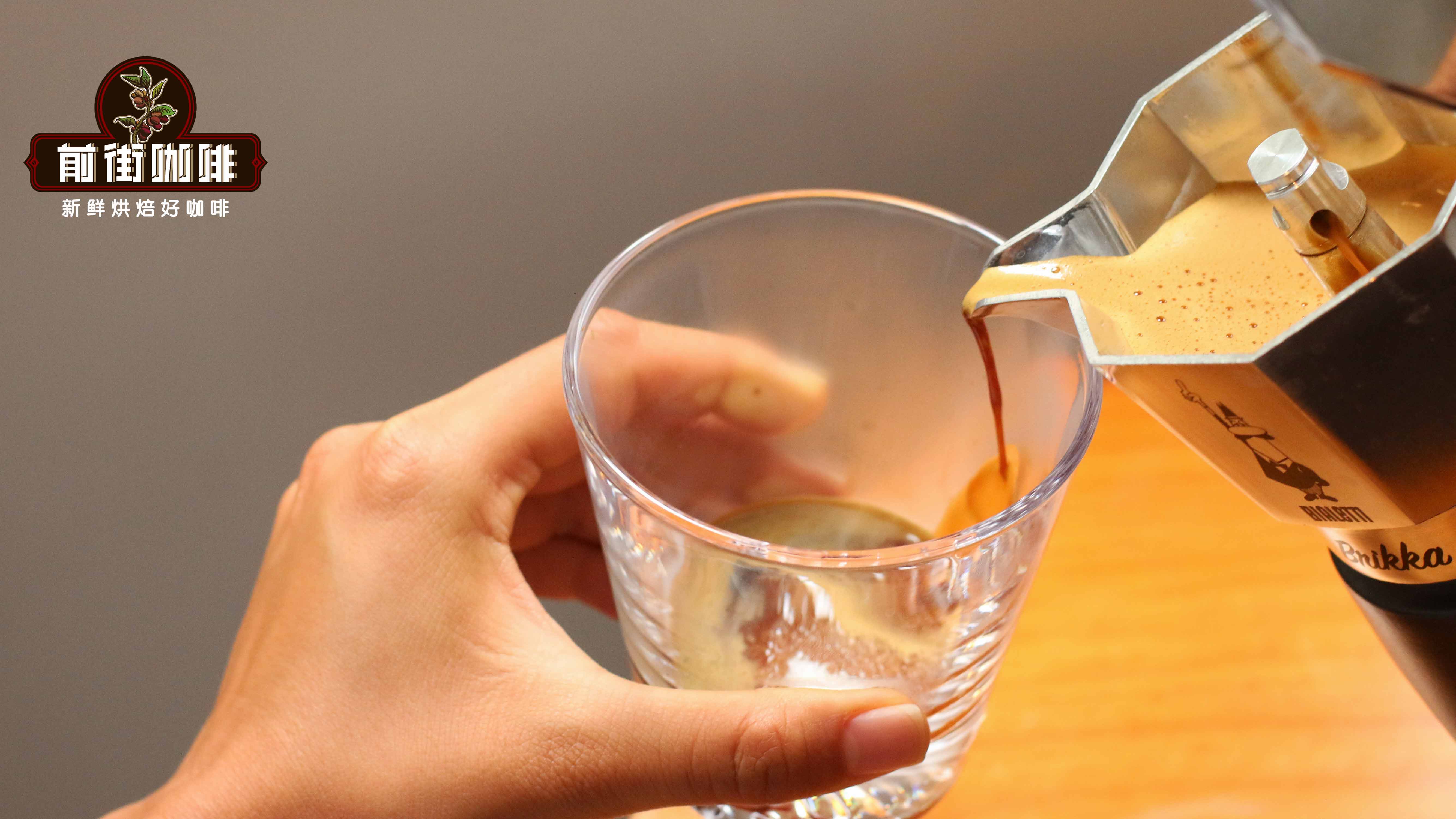
A Full Analysis of Why Moka Pot Coffee Tastes Bitter, Sour, or Burnt: Mastering Grind, Heat, and Bean Selection in One Go
Although the moka pot is simple to operate, brewing a balanced cup of coffee with it is no easy task. Many people run into problems such as coffee that is too bitter, too sour, or has a burnt taste, and these issues are often closely tied to details like bean selection, grind size, and heating method. This article starts from the extraction principle of the moka pot and analyzes, one by one, the various factors that affect flavor, including the suitable roast level for coffee beans, how to adjust the grind size, and the key points of controlling the heating intensity. It also introduces bean options suited to the moka pot, such as Front Street. Classic Italian Blend and Front Street. Golden Mandheling SOE, to help you easily make a rich, smooth moka pot coffee at home. [more…]
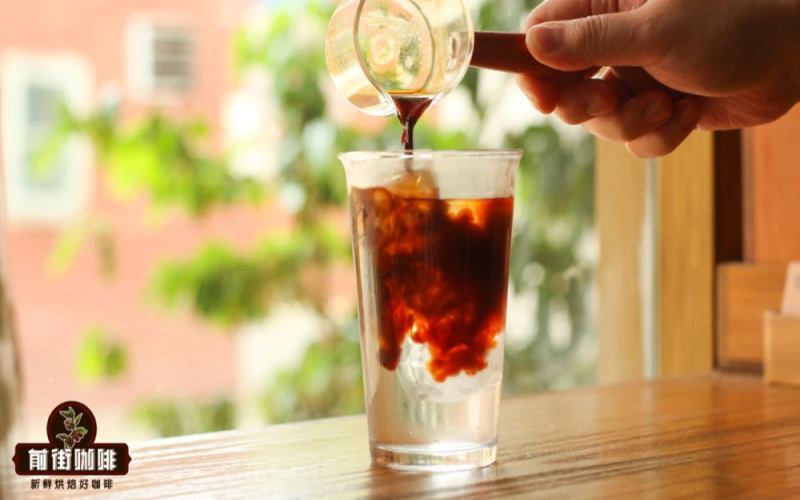
Is It Normal for Americano to Taste Sour? A Full Analysis from Extraction Principles to Brewing Parameter Adjustments for Sourness
Americano coffee is deeply associated with a bitter, full-bodied impression, but many people feel puzzled when they drink an Americano with a sour taste: is this normal? In fact, coffee beans naturally contain abundant acidity, and both roasting and extraction methods affect the final flavor expression. This article will start with the sources of sourness and the dissolution order of bitter, sweet, and sour compounds, then systematically sort out practical methods for adjusting coffee that is too sour, including key points such as choosing the roast level, controlling water temperature, grind size, coffee-to-water ratio, and extraction time. At the same time, it will introduce the currently popular SOE Americano trend and share several Front Street Coffee espresso blends suitable for making Americanos, along with their brewing suggestions. [more…]
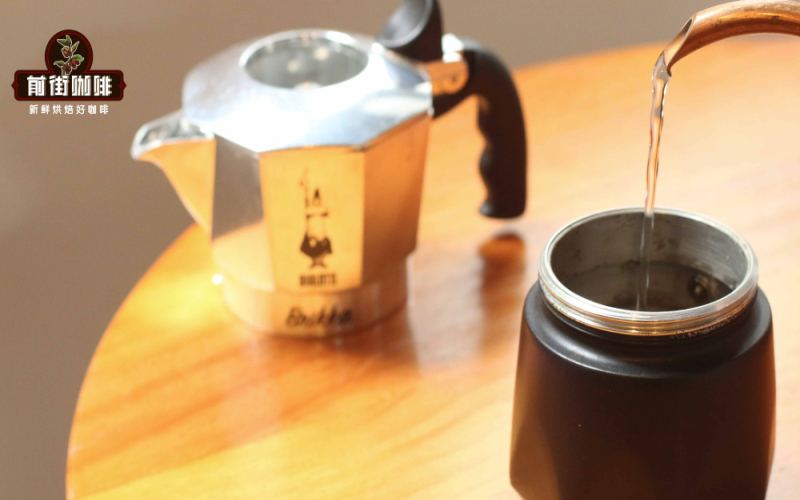
A Complete Guide to Moka Pot Brewing Techniques: From Bean Selection to Cleaning, a Practical Guide to Saying Goodbye to Overly Bitter or Sour Coffee
The Moka pot, with its unique pressurized extraction method, can produce rich and full-bodied coffee, but many enthusiasts often run into the problem of coffee that is too bitter or too sour. This article will start with the structural principles of the Moka pot, explain in detail the suitable types of coffee beans, including recommendations such as Front Street Coffee's classic espresso blend and Golden Mandheling, and then break down step by step the key stages of the brewing method, such as grind size, filling the basket, and heating. Addressing the three common problems of bitterness, sourness, and burnt flavor, the article provides specific adjustment solutions, and finally emphasizes the importance of daily cleaning and maintenance, helping you consistently extract a smooth cup of Moka pot coffee. [more…]
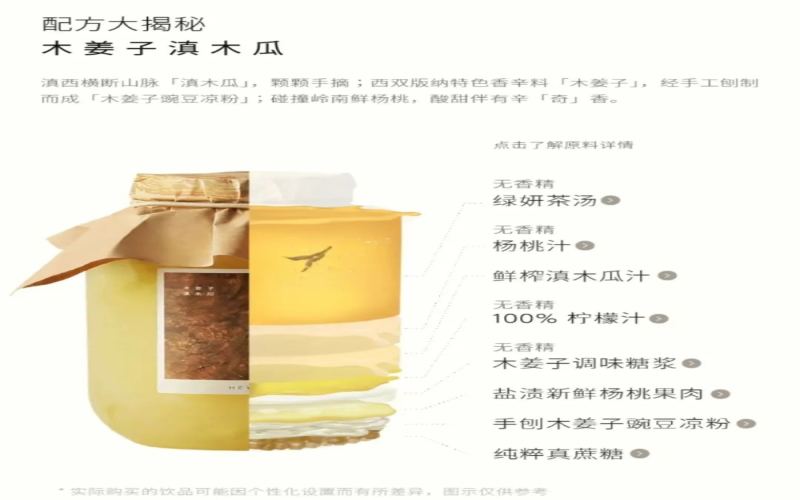
Heytea's Litsea and Yunnan Papaya New Drink Taste Controversy: So Sour Your Face Twists, or So Sweet It Lacks Fruit Flavor?
Heytea recently launched a seasonal limited-edition drink, Litsea cubeba Yunnan papaya, combining western Yunnan sour papaya, Xishuangbanna litsea cubeba, Lingnan fresh carambola, and litsea cubeba pea jelly. Officially, it is positioned as having a distinctive sweet-and-sour taste. However, after the new product hit the market, evaluations on social media quickly split into two extremes: some were put off by the piercing sourness, some chose "less less less sweet" yet tasted only sweetness, and the sugar-free version was criticized for being overall too sweet with the fruit aroma not standing out. Why can the same cup of drink deliver such wildly different impressions as "sugar-free salted lemon Seven Up," "flat salt soda," and "hot and sour noodles"? This article sorts through feedback from all sides and explores how fresh fruit batches and individual differences in sourness tolerance affect the final flavor of this limited edition. [more…]

Coffee Flavor Tasting | How Can Beginners Judge Coffee Extraction by Tasting? How Do You Describe the Flavor of Pour-Over Coffee?
If you want to learn how to brew coffee, you must first learn how to drink coffee. Of course, "learning to drink coffee" here does not mean being able to describe gorgeous flavor notes; it is more about being able to judge whether a cup of coffee is good or bad—that is, whether it tastes good or not. Whether a coffee tastes good or not, subjectively and objectively, depends to a fairly large extent on personal preference. [more…]
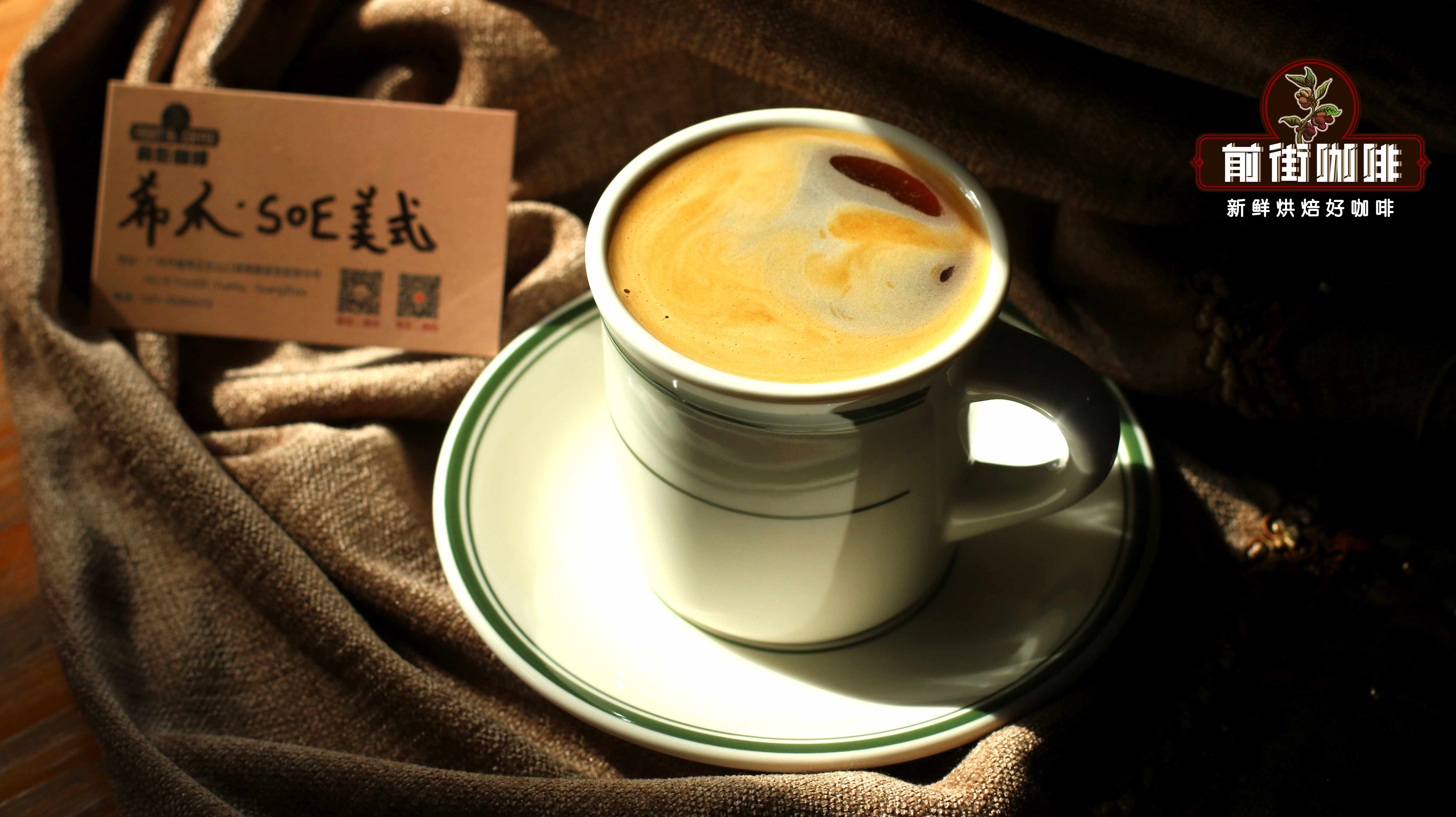
Does sour-tasting SOE americano count as a quality issue? Causes of acidity in espresso beans and how to judge it
Many people, upon tasting an Americano with a sour note for the first time, instinctively wonder whether the beans have gone bad or been sitting around too long. In fact, green coffee beans naturally contain a large amount of organic acids, and after roasting, the acidity gradually decreases as the roast gets darker, so an Americano with a tangy taste can very well be a normal expression. However, not all sourness is worth appreciating—bright, lively fruit acidity can make a cup of coffee memorable, while sharp, astringent sourness often points to improper roasting or extraction errors. This article begins with the concept and characteristics of SOE, explains why Americano tastes sour, why iced and hot Americanos differ in acidity, and why a light-roast bean that shines in pour-over may not be suitable for espresso, and offers recommendations for blend beans suited to espresso. [more…]
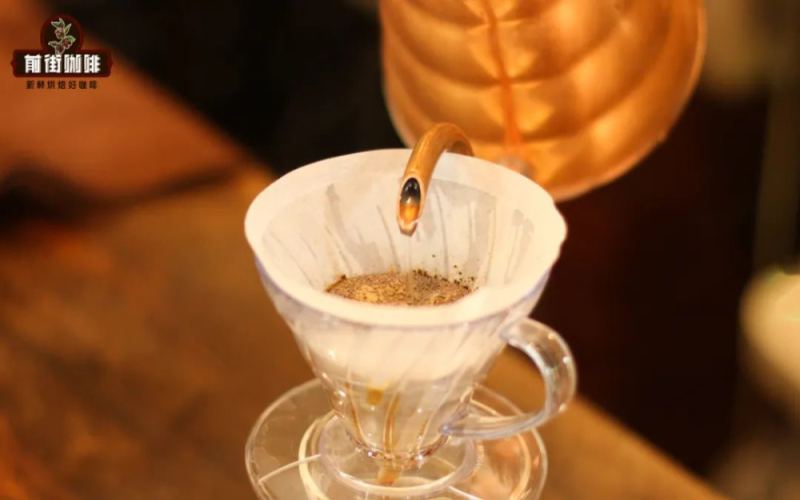
Why Is Pour-Over Coffee Sour, Astringent, or Bitter? A Complete Guide to Analyzing the Causes and Adjusting Your Technique
Many people think that pour-over coffee has a low barrier to entry, but once they take a sip and find it tastes sour, bitter, or astringent, they realize that brewing a good cup of coffee is actually not easy. Whether you are a beginner just getting into pour-over or an experienced coffee enthusiast, it is inevitable to run into a cup that does not suit your taste. Starting from the principles of extraction, this article analyzes one by one the common reasons why coffee turns out too sour or too bitter, and offers specific adjustment suggestions on grind size, water temperature, coffee-to-water ratio, pouring technique, and dripper selection. It also combines the brewing parameters of two beans—Front Street Coffee Colombia Sidra and Front Street Coffee Golden Mandheling—to help you consistently brew a cup of good coffee at home with balanced acidity and sweetness and a clean mouthfeel. [more…]
Moka Pot Brewing Guide: From Bean Selection to Cleaning, Practical Tips to Fix Coffee That's Too Bitter or Too Sour
The Moka pot, with its unique pressurized extraction method, can produce coffee with high concentration and a steady mouthfeel, but many enthusiasts often encounter problems such as overly bitter, overly sour, or burnt-tasting results. This article will start with the structural principles of the Moka pot, explain in detail the suitable types of coffee beans, and guide you step by step through the brewing method, including water volume control, grind size selection, coffee dosing techniques, and heating points. For the three common flavor defects, it will analyze the causes one by one and provide adjustment solutions, while also recommending beans such as Front Street Coffee Classic Espresso Blend and Golden Mandheling. Finally, it emphasizes the importance of daily cleaning to help you consistently produce a smooth cup of Moka pot coffee. [more…]
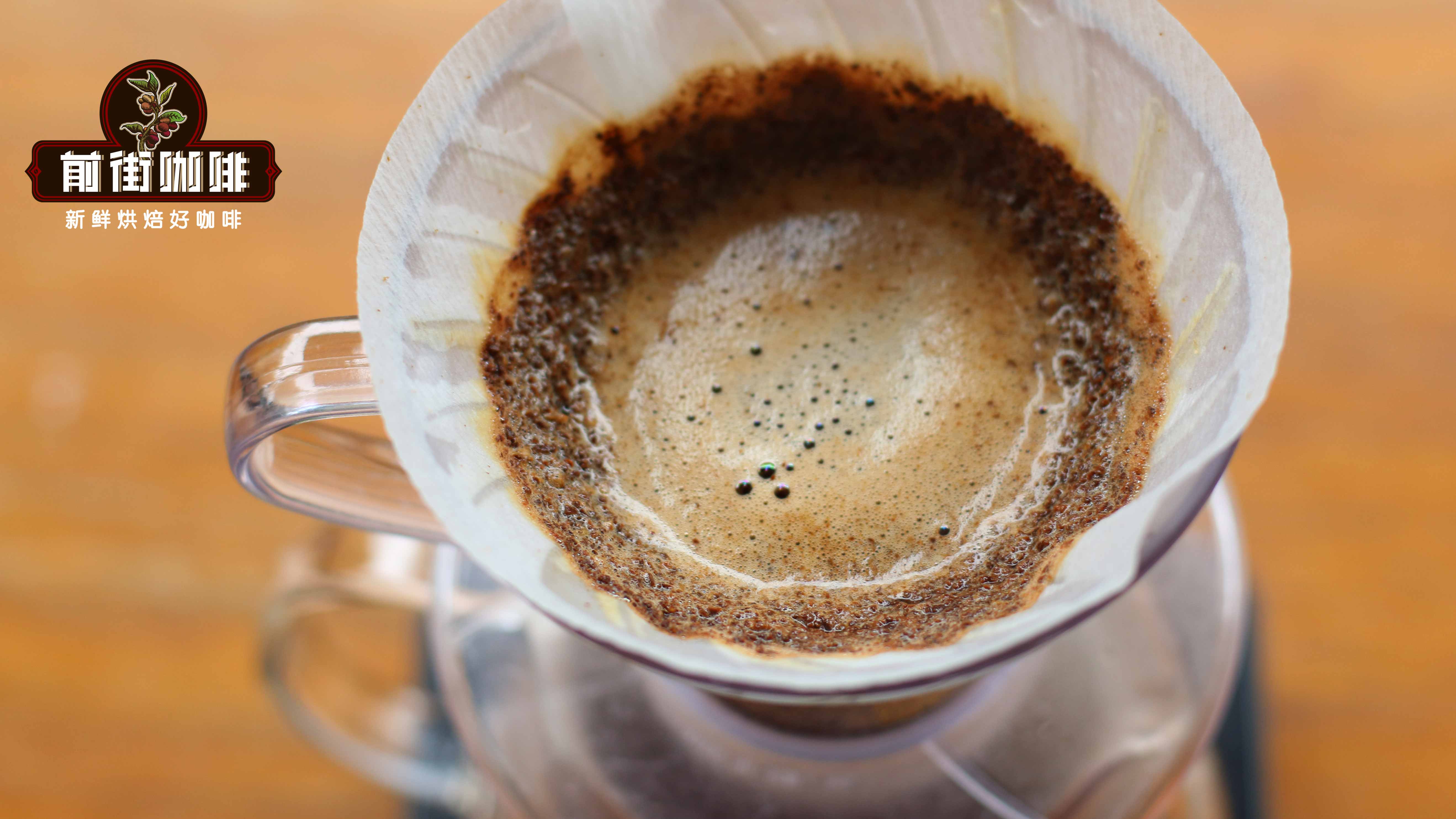
Analyzing the Causes of Acidity in Ethiopian Sidamo Natural-Process Pour-Over and a Three-Stage Brewing Adjustment Strategy
Many coffee enthusiasts who brew pour-over at home often run into the problem of coffee turning out either too sour or too bitter, making it hard to achieve the balanced, smooth result you get from a café. This article uses Front Street sun-dried Sidamo as an example to break down the specific operating parameters of three-stage pouring in detail, including coffee dose, coffee-to-water ratio, water temperature, and grind size, and explains that the different dissolution rates of sour, sweet, and bitter compounds in coffee are the fundamental reason why sourness stands out. The article further offers three practical adjustment approaches: increasing the amount of water poured, extending the extraction time, and raising the water temperature, helping readers flexibly revise their brewing plans based on the intensity of sourness and the level of concentration, so that sun-dried Sidamo can reveal softer, sweeter flavor layers. [more…]
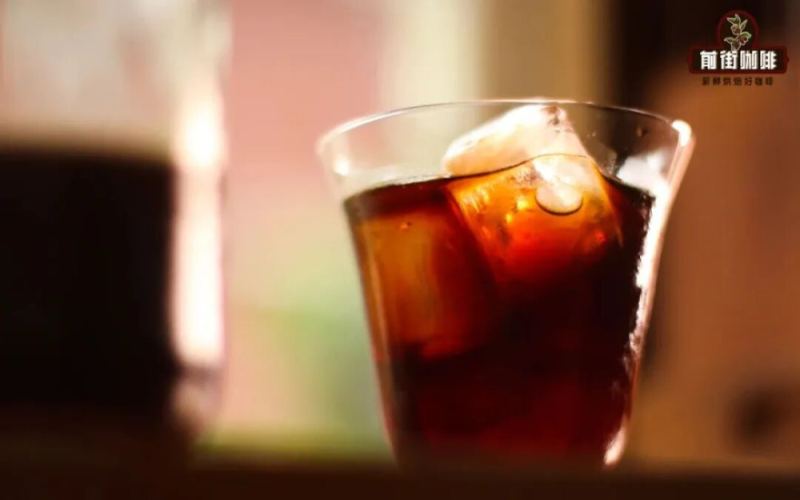
How do you adjust cold brew coffee when it turns out bitter or sour? Breaking down the key causes of over-extraction and under-extraction in low-temperature brewing
Cold brew coffee, with its smooth, full-bodied taste and lower acidity, has become the top choice for many people in summer. It uses cold or room-temperature water to steep coffee grounds for a long time; in a low-temperature environment, small-molecule floral and fruity notes are released first, while large-molecule roasted substances are difficult to dissolve, making it cleaner and softer than hot brewing. In practice, however, "too bitter" and "too sour" remain the two most common problems. This article analyzes the root causes of over-extraction and under-extraction in cold brew from the perspectives of roast level, grind size, steeping time, and filtration method, and offers practical adjustment tips from Front Street Coffee to help you make a balanced, easy-drinking glass of iced coffee. [more…]
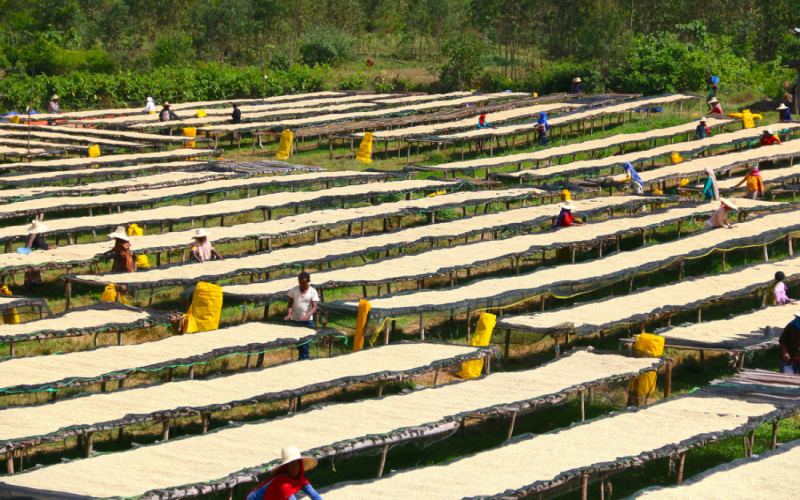
Why Does Ethiopian Coffee Taste Sour? A Brief Discussion of the Causes of Coffee Acidity and Key Tasting Points
The acidity in coffee often confuses beginners, especially beans from regions like Ethiopia Yirgacheffe, where the bright lemon-citrus acidity on the palate is often mistaken for spoilage. In fact, coffee's acidity is closely related to varietal genetics, growing environment, green bean processing, and roast level, with each region having its own characteristics. From the perspective of Front Street Coffee, this article analyzes the scientific reasons why coffee becomes sour, introduces the impact of light-to-medium roasting on acidity, and shares methods for regulating sourness through grind size, water temperature, and time in pour-over extraction. Finally, it includes the three-stage brewing parameters for Kenyan Little Tomato coffee beans to help enthusiasts understand the specialty coffee concept of balancing acidity with sweetness and bitterness. [more…]
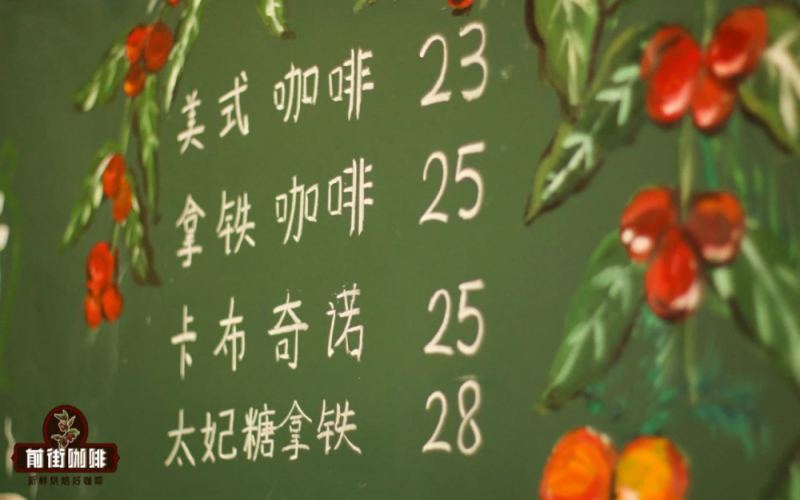
Why Is Americano So Sour? A Detailed Guide to Standard Americano Preparation and Optimal Extraction Parameters
As a classic coffee beverage enjoyed worldwide, Americano seems simple to make—just add water to espresso—yet many people find that their homemade Americano tastes too sour and lacks a rich, mellow body. From the perspective of Front Street Coffee, this article systematically sorts out the real differences between Americano and Australian Long Black in terms of preparation order and water ratio, and further introduces the extraction characteristics of Lungo. At the same time, it offers specific adjustment suggestions for the two main causes of overly sour Americano—too light a roast level and insufficient extraction. The article also recommends coffee beans suitable for making Americano and lattes, such as Front Street Black Cocoa Blend, Front Street Commercial Blend, and Front Street Classic Espresso Blend, helping coffee lovers achieve more stable flavor performance in their daily brewing. [more…]